
As parents become more conscious of their child’s nutrition, terms such as “A2 milk”, “goat milk”, and “easier to digest” are increasingly seen on product packaging. While these claims may sound beneficial, many parents are left wondering what they actually mean and whether they truly make a difference in their child’s daily nutrition. Understanding these terms can help parents make more informed choices when selecting milk for their children.
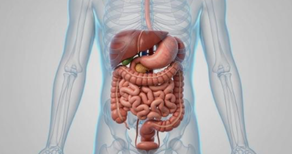
Milk contains a type of protein known as beta-casein, which exists primarily in two forms: A1 and A2. Some research suggests that A1 beta-casein may be more difficult to digest for certain individuals, while A2 beta-casein is generally considered gentler on the digestive system. This has led to the growing popularity of A2-labelled milk products, particularly among parents seeking alternatives for children with sensitive stomachs.

Goat milk, on the other hand, naturally contains A2-type beta-casein. In addition to its protein composition, goat milk also differs structurally from standard cow’s milk. It contains smaller fat globules and forms a softer curd during digestion. These characteristics may contribute to a smoother digestion process, which is why goat milk is often perceived as a gentler option for young children.

Rather than determining which option is universally “better,” it is more appropriate to consider which type of milk best suits an individual child’s digestive comfort. Some children may experience symptoms such as bloating, irregular bowel movements, or general discomfort after consuming certain types of milk. In such cases, switching to a milk that is easier to digest may help improve their overall comfort and acceptance.

There is no single type of milk that is ideal for every child. However, having a clearer understanding of concepts such as A2 protein and digestibility allows parents to make more confident and informed decisions. In some cases, a small adjustment in the type of milk chosen can make a meaningful difference in a child’s daily comfort and nutritional intake.
|


.svg)